Stolen car: the GPS reflex and what the police do in Morocco
The DGSN is teaming up with Argos insurers to trace stolen vehicles. What a private owner can do before and after a theft, and what GPS adds.
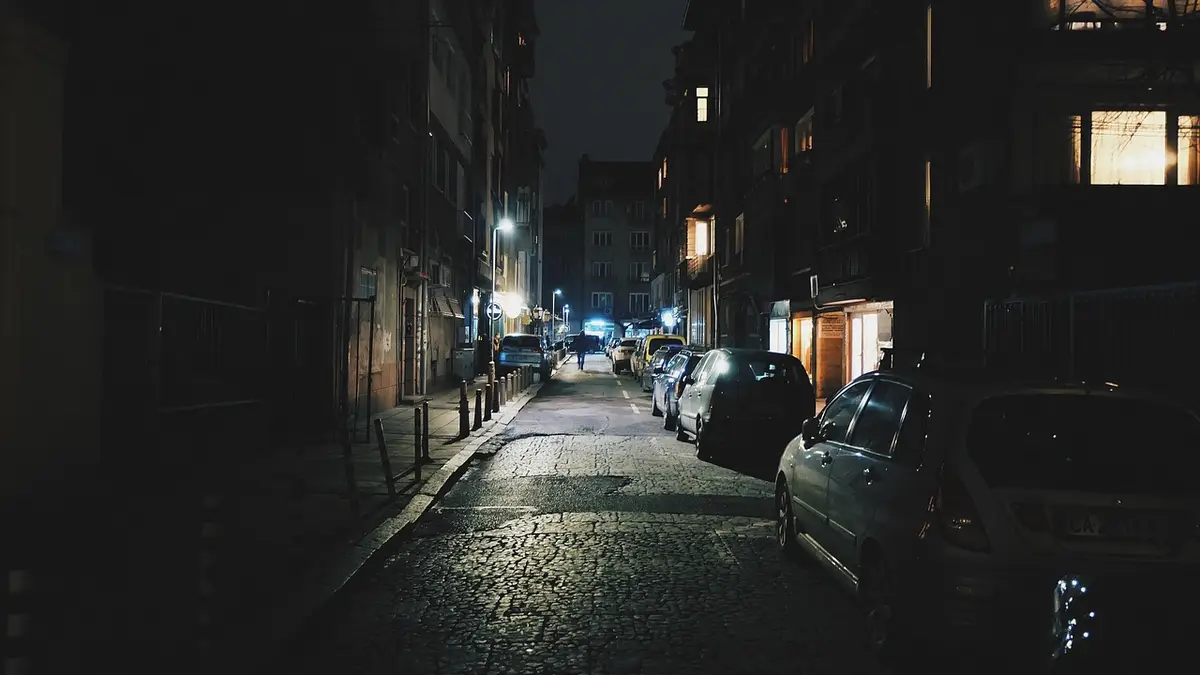
You come downstairs in the morning and the space is empty. In the first minutes, everything depends on three things: what you know about the car, what you can prove, and how fast you alert the right people.
What the police are putting in place
According to Hespress (29 October 2025), the DGSN (Morocco’s national police) signed an agreement in Rabat with Argos, a group of French insurers. It covers cooperation and technical assistance for the search, tracking and recovery of vehicles reported stolen.
In practice, according to the same article:
- DGSN services access the Argos database, fed with technical data supplied by manufacturers;
- the police have IT tools to track and locate vehicles reported stolen;
- joint training is planned.
This news is more than a year old, but it is still useful: it shows that the official report of a theft is the starting point of any search. The more precise your report, the more usable it is.
The first steps
Here is a simple list, to adapt to your situation. For the exact procedures and deadlines, go to the police or the gendarmerie, then to your insurer: the rules depend on your policy.
- Check that the car has not been moved or towed.
- Report the theft to the authorities with the registration document, the chassis number and a description of the vehicle.
- Tell your insurer and reread your policy, in particular the theft cover.
- Gather photos of the car, invoices for options and the spare set of keys.
What GPS changes
A GPS tracker fitted beforehand adds concrete elements to this file:
| Without a tracker | With a tracker |
|---|---|
| You know where you parked the car | You see its last position and route |
| You discover the theft in the morning | A movement or zone-exit alert can warn you earlier |
| You describe the car | You give the authorities a history of positions |
An alert received at 3 a.m. does not guarantee that the car will be found. It simply gives a dated, located piece of information to pass on without delay to the authorities, who are responsible for any intervention. Avoid going to the spot alone.
Before a theft: three habits that matter
Parking matters more than you think. Park in a lit or enclosed place when you can. Leave neither a spare set of keys nor papers in the cabin. Photograph the car and note the chassis number, which you find on the registration document: this information will be used for the report and by the insurer.
An example
A family in Tangier parks its car in the street, under the windows. A discreet tracker is hidden under the dashboard. One night, a movement alert arrives on the father’s phone. He opens the map, sees that the car is heading out of the city and calls the police with the position and the time. This story is an illustration, not a customer case.
Which functions to look at
- Live tracking and trip history.
- Alerts for movement, zone and power cut.
- Authorised zone around the home.
- Remote engine cut-off, if offered and fitted by a professional: it should only be used when the vehicle is stationary or at very low speed.
- Discreet installation, by an installer who keeps the location secret.
In short
Car theft is not solved with a single tool. Good insurance, a well-chosen parking spot, keys put away and a tracker work together. For a private car, the standard pack and the standard vehicles page give the options. HTC Solutions, based in Tangier, installs throughout Morocco, see GPS tracker Tangier.
A car to protect? Contact HTC Solutions.