Nador West Med opens: what it changes for tracking your containers from port to port
Nador West Med opens while Tanger Med is congested. Importers and exporters: how GPS follows a container from the quay to your warehouse, step by step.
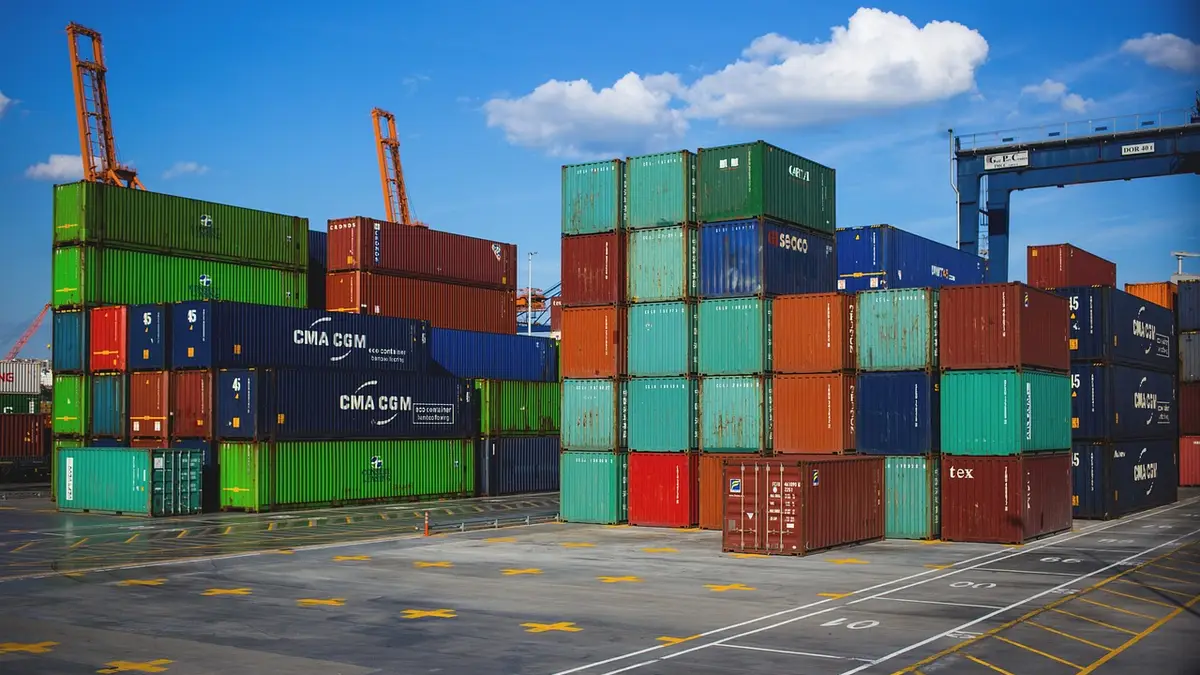
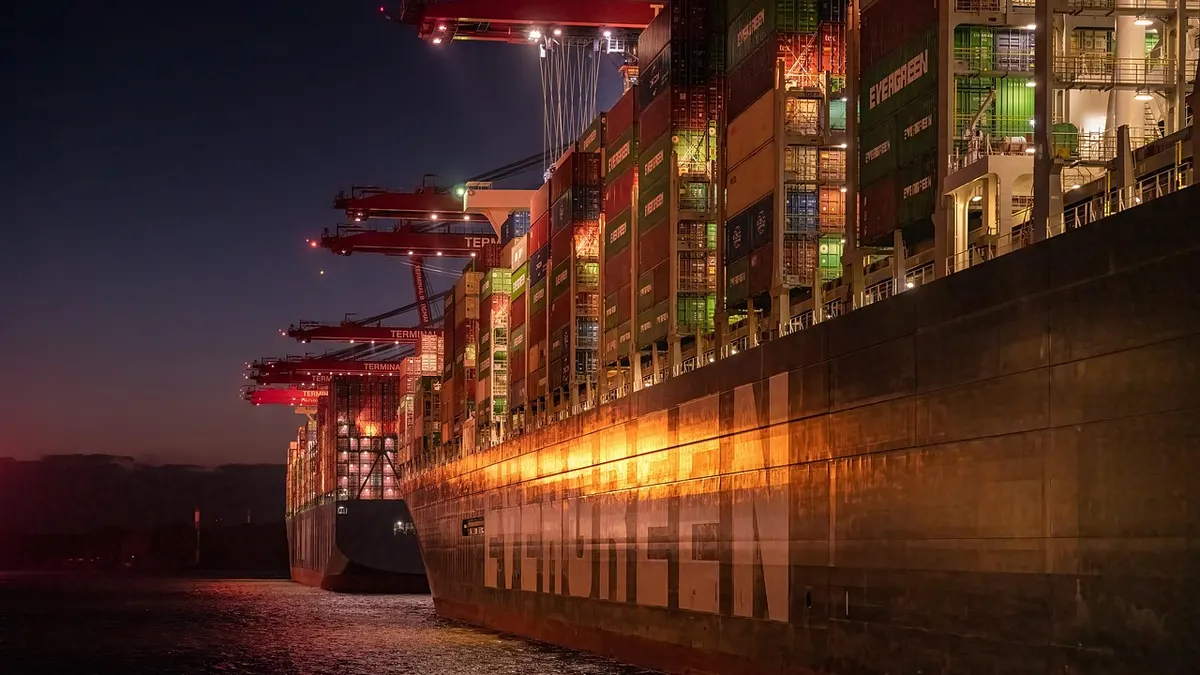
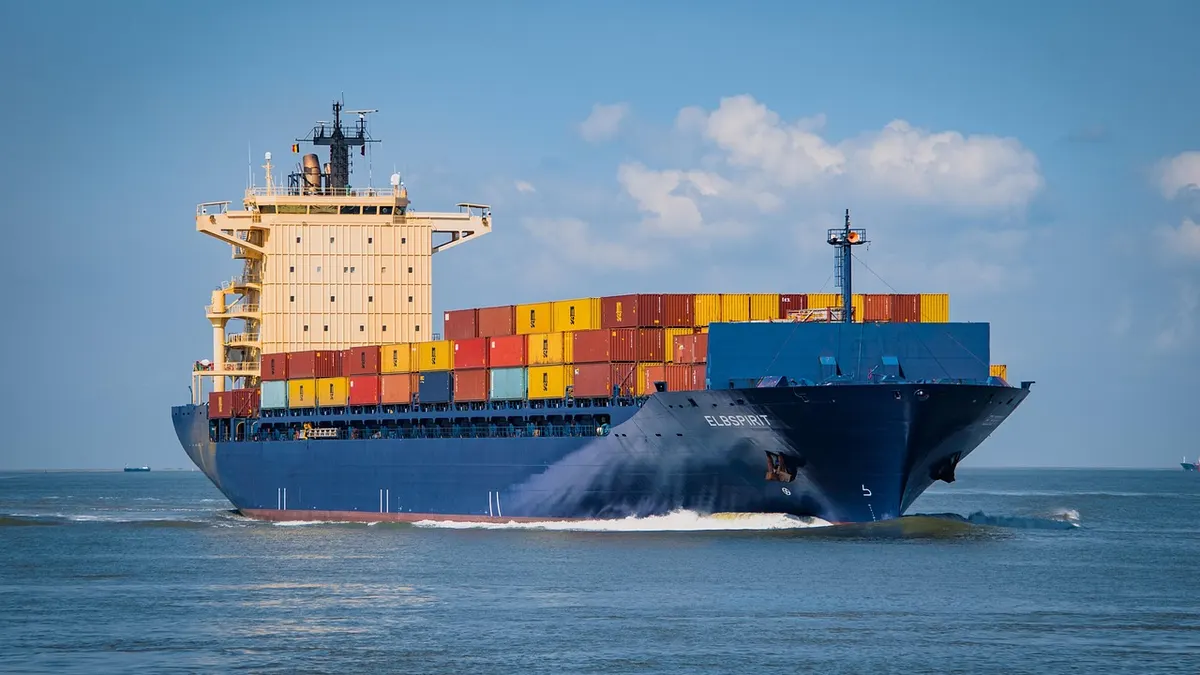
On Saturday 31 October 2026, the port of Nador West Med was inaugurated. For a Moroccan importer or exporter, the new gateway redraws the map of possible routes: a container can now arrive at Tanger Med, Casablanca or Nador, then travel several hundred kilometres to your warehouse. The more ports and routes there are, the sharper the shipper’s question becomes: where is my cargo right now?
What the news says
According to RFI, picked up by AllAfrica (3 November 2026), Nador West Med represents an investment of around 5.5 billion dollars and a capacity of more than 5 million containers. It will be the first Moroccan port with a liquefied natural gas terminal. It can receive ships of about 24,000 containers, the size handled at Tanger Med.
The same article describes Tanger Med as congested, and links this to the blockage of the Strait of Hormuz, without giving figures. Yann Alix, of the Sefacil Foundation, sees the two ports as complementary: “Tanger Med perhaps grew faster than planned.” He also points out that more than 95% of Morocco’s foreign trade goes by sea.
As for the historic port’s figures, Hespress (2 February 2026) reports that Tanger Med handled 11,106,164 TEU containers in 2025, 8.4% more than in 2024.
For the works and timetable of Tanger Med 3, we covered the subject in our article for road hauliers. Here, we look at it from the side of the person waiting for the goods.
The shipper’s problem: one container, several links
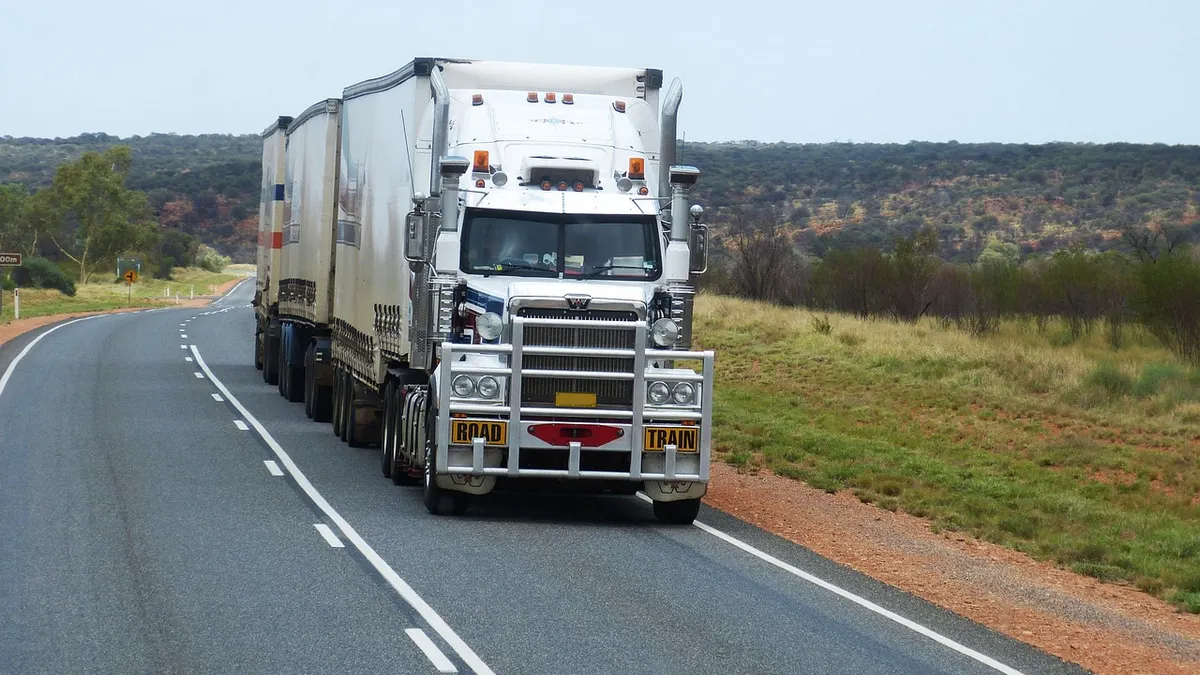
Between the ship and your warehouse, a container passes through several hands: the terminal, the freight forwarder, the road haulier, sometimes an intermediate storage area. At each step, information can arrive late.
- After the quay. The container has left the port, but you do not know whether the truck has set off.
- On the road. The truck has been driving since the morning, and nobody can tell you where it is.
- On arrival. The unloading slot is booked, but the truck is not there.
- In a dispute. A delay, an unplanned stop: all you have is everyone’s word.
What GPS brings
A tracker fitted to the container, or to the trailer carrying it, gives a live position. For a shipper, that means five concrete things.
- Live tracking of the container on the map, from the port to the warehouse.
- Zones drawn around the port, the warehouse and the customer’s site, with an alert at every entry and exit.
- Abnormal stop alert if the container stays still outside the planned zones.
- Dated history of the journey, useful when talking to a freight forwarder or an insurer.
- Sharing the position with the recipient, so they can prepare the reception.
For valuable goods, a door-opening alert can be added. Options depend on the equipment chosen.
A concrete example
Imagine an importer of spare parts based in the Oriental region, receiving containers from China. Until now, they went through Tanger Med, with a truck covering several hundred kilometres. With Nador West Med opening, their freight forwarder suggests trying this new gateway. The importer wants to compare the two options on data rather than impressions.
They fit their next containers with a tracker. For a few weeks, they note for each shipment the time between leaving the port and reaching the warehouse, as well as the stops on the way. They then decide using figures that belong to them. This example is fictional.
Comparing two ports: what to record
| What to measure | Why |
|---|---|
| Time of leaving the port | Know when the truck actually set off |
| Journey time to the warehouse | Compare two routes |
| Unplanned stops | Spot lost time |
| Arrival time at the customer | Keep to delivery slots |
Who it is for, and how to start
This approach concerns importers, exporters, freight forwarders and hauliers who move containers or trailers over long distances.
- Choose 2 or 3 containers or trailers for a first trial period.
- Define the zones: port, warehouse, customers.
- Decide who receives the alerts: logistics, forwarder or haulier.
- Compare the journeys after a few weeks.
Our containers and international solution and the containers pack are designed for this kind of tracking. For the transport or customs rules that apply to your goods, check with your freight forwarder and the competent authorities.
Do you track containers or trailers between several ports? Talk to the HTC Solutions team.