Tanger Med 3 and Nador West Med: what changes for road hauliers
Tanger Med is aiming for 1 million TIR trucks a year and Nador West Med is opening. What these projects change for hauliers, and what GPS tracking adds.
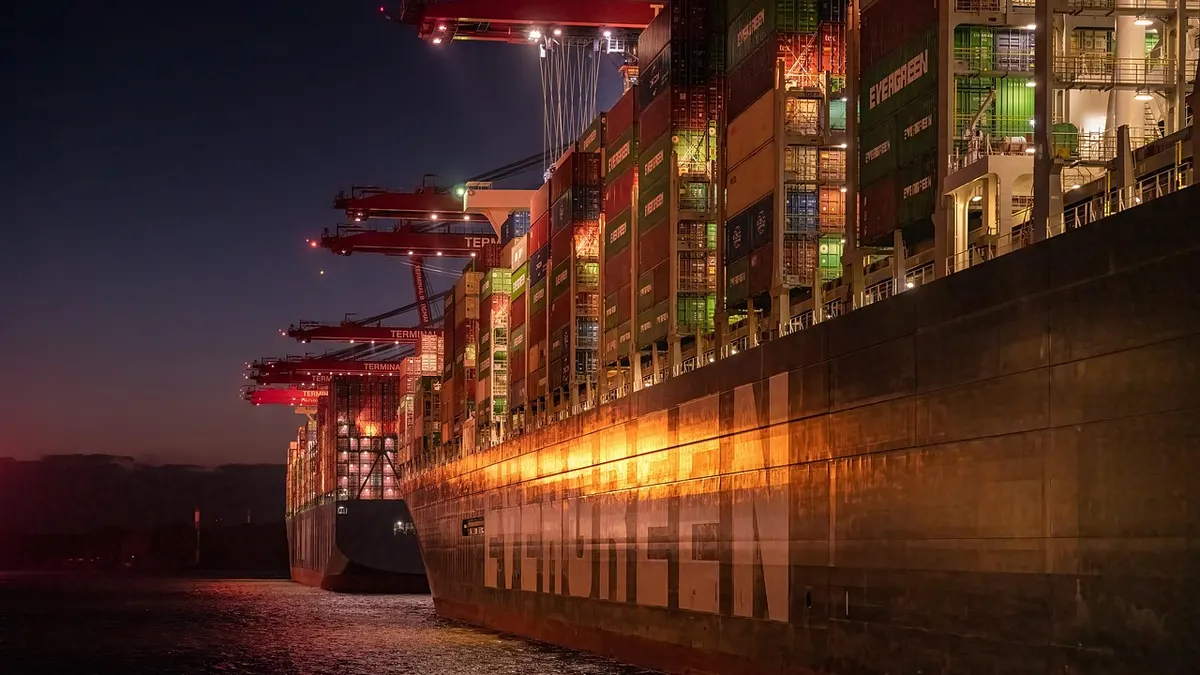
On 28 October 2026, a working session chaired by King Mohammed VI reviewed two port projects in the north. At Tanger Med, work is starting on a new terminal. At Nador, the Nador West Med port is receiving its first commercial calls. For a road haulier in the north, these projects mean more trucks, new routes and deadlines to meet.
What was announced
The following figures come from the report published by Le360 on 28 October 2026.
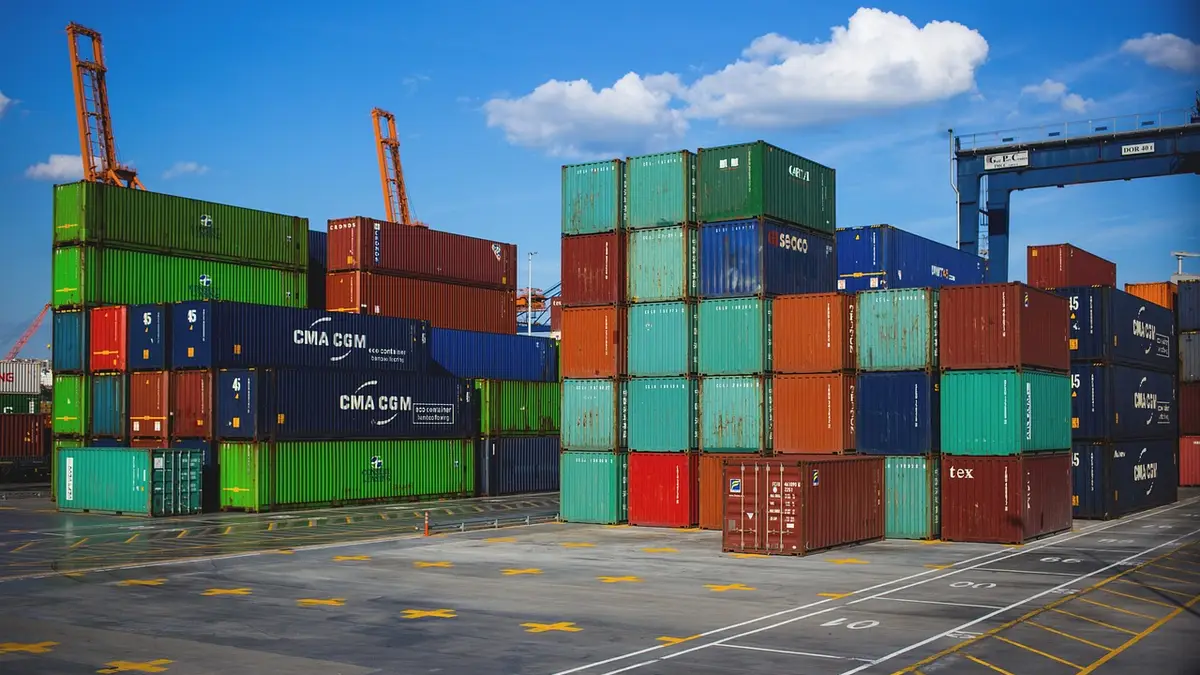
At Tanger Med. The new container terminal, Tanger Med 3, represents an investment of 8 billion dirhams (MAD). Its planned capacity is 4.5 million TEU containers a year, with commissioning in mid-2031. The complex as a whole is aiming for around 20 million TEU a year within roughly ten years.
Another project directly concerns the road. The extension of the passenger and ro-ro port, launched in December 2024, aims for a capacity of one million TIR trucks and 7 million passengers a year. It is due to enter service in 2029.
At Nador West Med. The first commercial calls are expected from the end of October 2026. The port plans two container terminals, a 400,000-unit ro-ro terminal, and terminals for hydrocarbons and bulk. On the access side, a 105 km motorway is due to link Guercif to the port in June 2029. A 49 km rail line between Selouane and the port is announced for 2028. Of a 280 km road programme, 210 km have already been built.
One million trucks is almost double
To gauge the ambition, look at current traffic. In 2025, Tanger Med handled 535,203 TIR trucks, up 3.6% on the year, according to Hespress (2 February 2026). Growth came mainly from exports of industrial goods (+4.8%) and agri-food products (+4.3%).
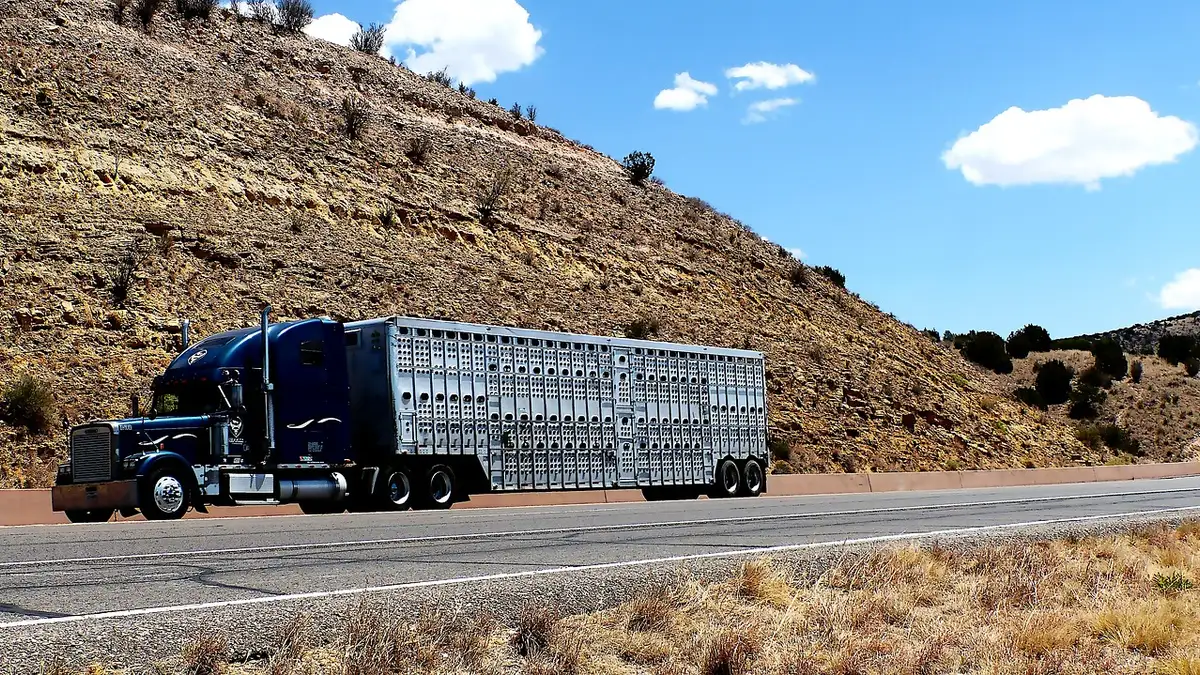
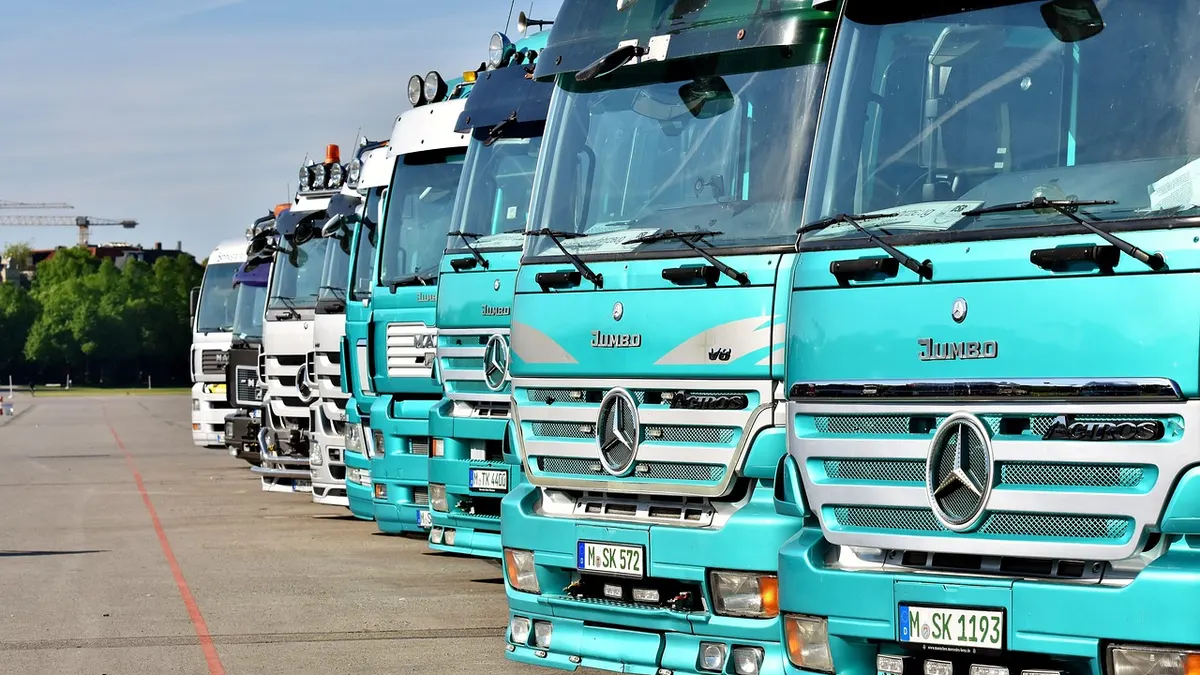
The target of one million trucks a year therefore means almost doubling ro-ro traffic. These trucks will come from factories, free zones and farms. They will use the same access routes as today, at least until the new infrastructure opens.
What it changes for a fleet manager
More competition and more demand. A growing port attracts freight, but also new hauliers. Shippers will be able to compare. Those who can prove their punctuality will have an advantage.
Two ports in the north. With Nador West Med, some goods from the Oriental region could go through Nador rather than Tangier. Fleets based in the north may need to organise rotations to two ports, with very different distances and journey times.
Works on the access routes. The works run until 2029 and 2031. In the meantime, traffic conditions around the sites may change. The usual journey times will not necessarily hold.
Slots to respect. A truck that misses its slot at the port often loses far more than an hour. The driver waits, the customer waits, and the next rotation slips.
How GPS tracking helps in practice
The port and its access routes are not up to you. A GPS tracker for trucks, however, shows you what happens to each of your vehicles, with data to decide on.
Measuring time spent at the port
You can draw a zone around the port, the free zone or a warehouse. The platform records the entry and exit time of each truck. After a few weeks, you know the real time spent at each site. This figure is used to plan rotations and to discuss waiting times with a customer.
Warning the customer before they call
Live position lets you answer the question “Where is my truck?” in a few seconds. If a vehicle is stuck, you see it and warn the recipient. A delay announced goes down better than a delay discovered.
Comparing real routes
The history shows the route taken, the stops and their duration. When access routes change, you compare journey times from one week to the next. You see whether a route has become slower and you adjust the schedules.
Preparing a second destination
If your trucks start serving Nador West Med, the GPS history quickly gives you the real journey times from your depot. You cost the new rotation on measured times.
Keeping evidence in case of a dispute
Arrival time, waiting time, departure time: everything is recorded. In the event of a dispute over a delay or detention charges, you have a dated history.
Getting ready now
The new capacity will arrive between 2029 and 2031. Data, on the other hand, builds up over time. A fleet equipped today will have several years of history when volumes increase. It will know how long a rotation takes, which slots are the busiest and which trucks are the most profitable on these routes.
Our office is in Tangier and we install our equipment all over Morocco. For fleets in the region, the GPS tracker in Tangier page presents our local service.
Do your trucks work with Tanger Med or the free zones in the north? See the transport and logistics solution.