Grands taxis: the fuel aid is not enough, GPS helps you count
Fare rise in Rabat, aid of 400 million MAD per fortnight: taxi drivers need to measure their costs. What GPS tracking can bring you, kilometre by kilometre.
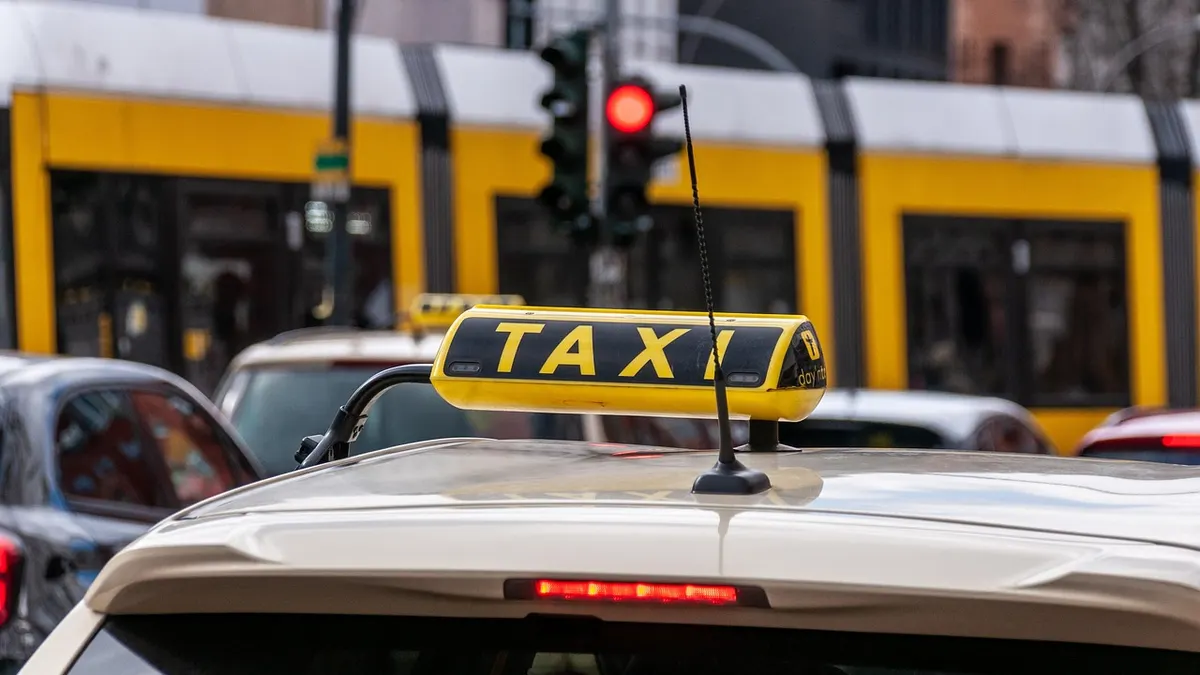
In Rabat, some grand taxi drivers (shared long-distance taxis) have applied a one-dirham increase to their fares. The wilaya authorities (the prefecture) responded by withdrawing several licences granted on trust. At the same time, the State is announcing new fuel aid for transport professionals. For a taxi driver or owner, the question is simple: how much does each kilometre really cost me?
What happened this week
According to Hespress (8 November 2026), the unions of Rabat, Salé and Témara had proposed in October a one-dirham increase, prompted by the price of diesel. Some drivers applied it before the consultations ended, and the wilaya withdrew licences granted on trust. The union affiliated to the UGTM (Union Générale des Travailleurs du Maroc) points out that fares have not moved for almost fourteen years. A partial strike took place on 5 November on the Rabat-Salé line, followed by a rally on 7 November at Bab El Had.
The same article says that diesel has stayed between 14.50 and 16 dirhams a litre since July.
November’s aid, in figures
According to Hespress (5 November 2026), the government is releasing about 400 million dirhams for the period from 1 to 15 November. Registration opens on 10 November on a digital platform. The published scale:
| Vehicle | Aid per vehicle |
|---|---|
| Grand taxi | 1,760 MAD |
| Petit taxi | 1,280 MAD |
| School transport for hire | 800 MAD |
| Truck for hire, over 19 t | 3,360 MAD |
| Intercity coach | 5,600 MAD |
Minister Abdessamad Kayouh presents the scheme as a way to “protect citizens’ purchasing power and guarantee market stability”. Professionals, for their part, regret irregular payments: Hespress reports that no aid was paid in October and that payments can be weeks late.
Fixed aid, variable costs
The aid is an amount per vehicle. It depends neither on your consumption nor on your kilometres. Two identical taxis receive the same sum, but one may use clearly more fuel than the other depending on the state of the engine, detours and hours spent waiting with the engine running.
Take an example. The owner of three grand taxis in Salé entrusts his cars to drivers in rotation. At the end of the month, one vehicle shows far more kilometres than the other two for a comparable takings. Without data, the discussion stays a matter of trust. With a trip history, it rests on facts that everyone can consult.
What GPS tracking brings to a taxi
A GPS tracker does not set your fares and does not replace the meter. It gives you data about the vehicle:
- Real kilometres per day and per driver, to spot differences between cars.
- Idling time with the engine running, a source of consumption that earns nothing.
- Live tracking, useful when the car is entrusted to a third party or parked overnight.
- Alerts and zones: leaving an agreed zone, use outside the planned hours.
- Trip history, which can be consulted in case of disagreement about a day.
- Fuel sensor (optional): the tank level is tracked through the day, which helps spot an abnormal drop.
- Remote engine cut-off, to immobilise a vehicle in case of theft.
No tracker guarantees that a stolen vehicle will be found. A quick alert and the live position do, however, help you inform the police with precise information.
Before installing: the legal framework
If you track vehicles driven by employees or partner drivers, inform them clearly. The CNDP (Morocco’s data protection authority) regulates this kind of data processing. For the rules that apply to your situation, contact the commission, and read our article on tracking employees.
Where to start
- Note your kilometres and fill-ups over one month, even by hand.
- Compare your vehicles with one another, not only with the takings.
- Fit the most used car first, then extend.
- Keep the supporting documents for the aid: the platform asks for your details, and an up-to-date file speeds up the process.
Taxis, like trucks and school coaches, come under fleet management: see our solutions for transport and logistics and the Standard Pack.
Do you manage one or several taxis and want to put figures on your kilometres? Talk to the HTC Solutions team.