Diesel above 16 MAD: protecting your fleet’s fuel tanks from theft
Diesel passed 16 MAD a litre in October 2026. Every litre siphoned off costs more. Here is how a GPS tracker and a fuel level probe spot theft in your fleet.
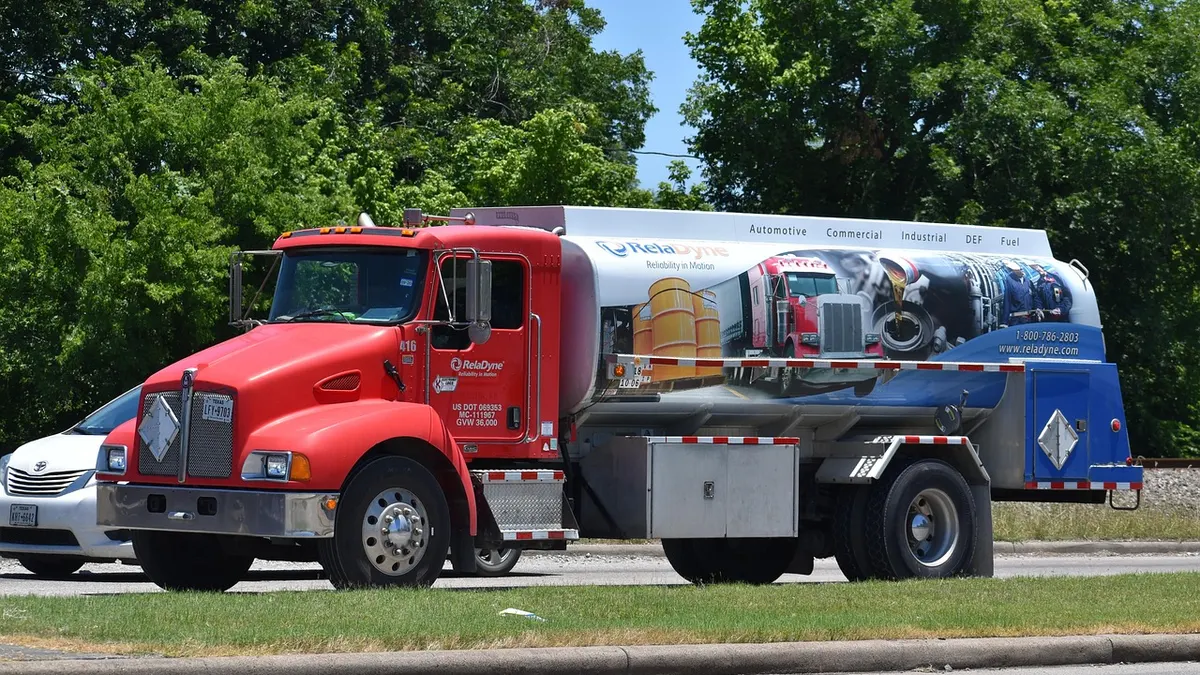
Diesel has been very expensive in Morocco in 2026. In early October, the price per litre passed 16 dirhams (MAD), according to Hespress (7 October 2026). Grand taxis even considered raising their fares by one dirham. For a fleet manager, this price has a direct consequence: every litre that disappears from a tank weighs more heavily on the accounts.
A year of successive rises
The increases came one after another. In March, diesel jumped by 2.40 dirhams at once, reports Bladi (31 March 2026).
The slight drop in mid-October did not change the picture. According to Hespress (15 October 2026), diesel has seen six rises since mid-July. After a drop of 20 centimes, it was still around 15.61 dirhams a litre. It had also become more expensive than petrol.
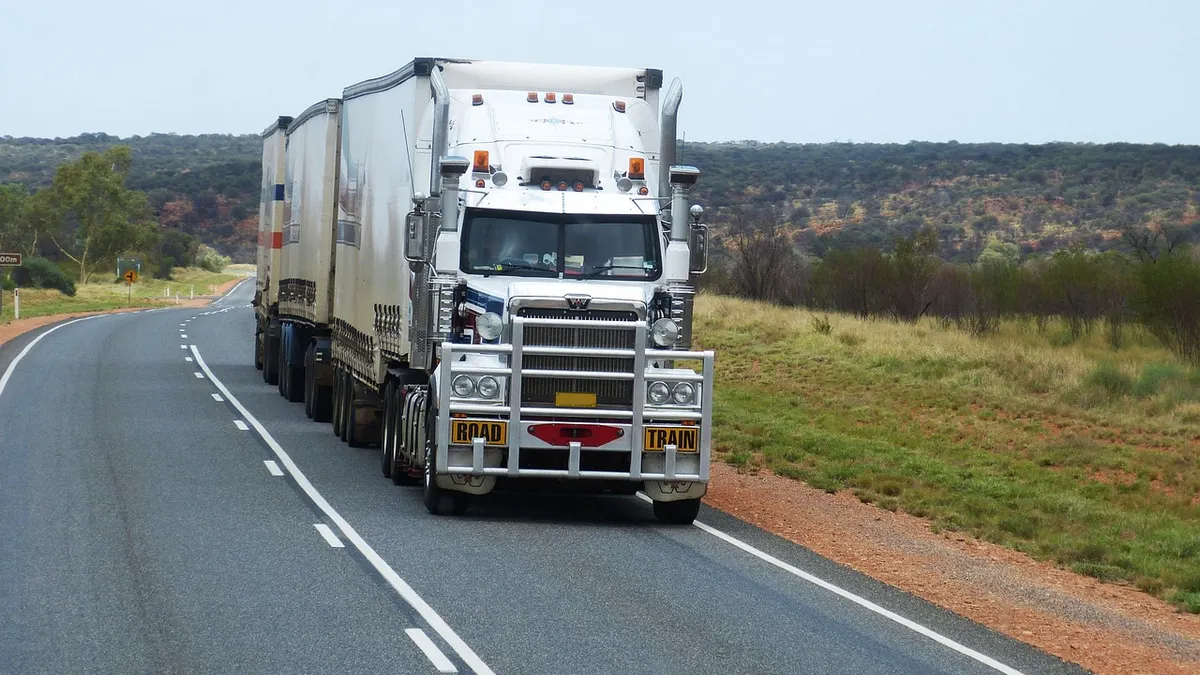
Yet the great majority of trucks, vans and construction machines run on diesel. When the price goes up, fuel becomes something that is easy to resell.
How fuel disappears
Fuel theft takes several forms. Siphoning a tank in a car park at night is the best known. But losses also come from inside the company.
For example:
- a full tank paid with the company card, part of which ends up in a jerrycan or another vehicle;
- a tank partly drained during a “break” stop on a trip;
- a station receipt that does not match the litres that actually went into the tank.
Taken one by one, these gaps look small. Over a month and across several vehicles, they become a real expense item. And at today’s price, the same stolen volume costs far more than a year ago.
What a GPS tracker already sees
A GPS tracker on its own does not measure fuel. It does, however, provide useful information for spotting an abnormal situation.
Stops. The tracker records every stop, with its location and duration. A truck that stops for 40 minutes in an isolated area, off its round, deserves a question.
Ignition. An alert can flag an engine start outside working hours. A vehicle moving at night or at the weekend often has no business on the road.
Zones. You can mark out the depot, the sites or the usual customers. An unexpected exit from a zone triggers an alert.
History. The full trip remains available. It is used to compare the kilometres driven with the fuel consumed.
What the fuel probe adds
To measure the fuel itself, you add a level probe in the tank, connected to the tracker. The platform then follows the level continuously.
Spotting a sudden drop
A tank that loses several tens of litres in a few minutes, with the engine off, does not match normal consumption. The platform flags this drop with the exact time and position of the vehicle. You know where and when the fuel disappeared.
Checking refills
The probe also measures refills. You can compare the litres recorded in the tank with the amount on the station receipt. A regular gap on the same vehicle or the same driver shows up quickly in the reports.
Comparing consumption
With the mileage from the GPS and the litres measured by the probe, you get the real consumption of each vehicle. A vehicle that uses far more than its peers on the same type of trip calls for a check. The cause may be theft, a fault or driving that needs correcting.
And the engine cut-off?
Remote engine cut-off is mainly useful against theft of the whole vehicle. It remains useful for a fleet. If a truck starts at night for no reason, you can prevent it from restarting once it has stopped. The command is used with caution, never on a vehicle moving on the road.
Setting up a control that lasts
The tool is not enough. You also need a method.
Set clear rules. Drivers must know that vehicles are tracked and that fuel is measured. This transparency removes a lot of temptation.
Look at the reports. An ignored alert is useless. Appoint someone to review the discrepancies every week.
Act on the facts. A recorded drop in level, with the time and place, allows a discussion based on precise data.
Secure the parking. A lit depot and lockable fuel caps remain good precautions, in addition to monitoring.
In short
With diesel around 16 dirhams a litre, fuel that disappears costs much more. The GPS tracker shows where vehicles go, when they start and where they stop. The fuel probe shows what goes into and out of the tank. Together, they turn a suspicion into verifiable data.
For hauliers, our transport and logistics page details the equipment suited to trucks. Fuel reports can be viewed from the HTC Solutions platform.
Want to know where your vehicles’ diesel goes? See the Fuel Security System.