Diesel: a 59-centime gap between two pumps, and what it means for your fleet
Diesel rose by 1 MAD on 1 November 2026 and prices vary from one station to another. How GPS tracking helps a Moroccan fleet control its fuel.
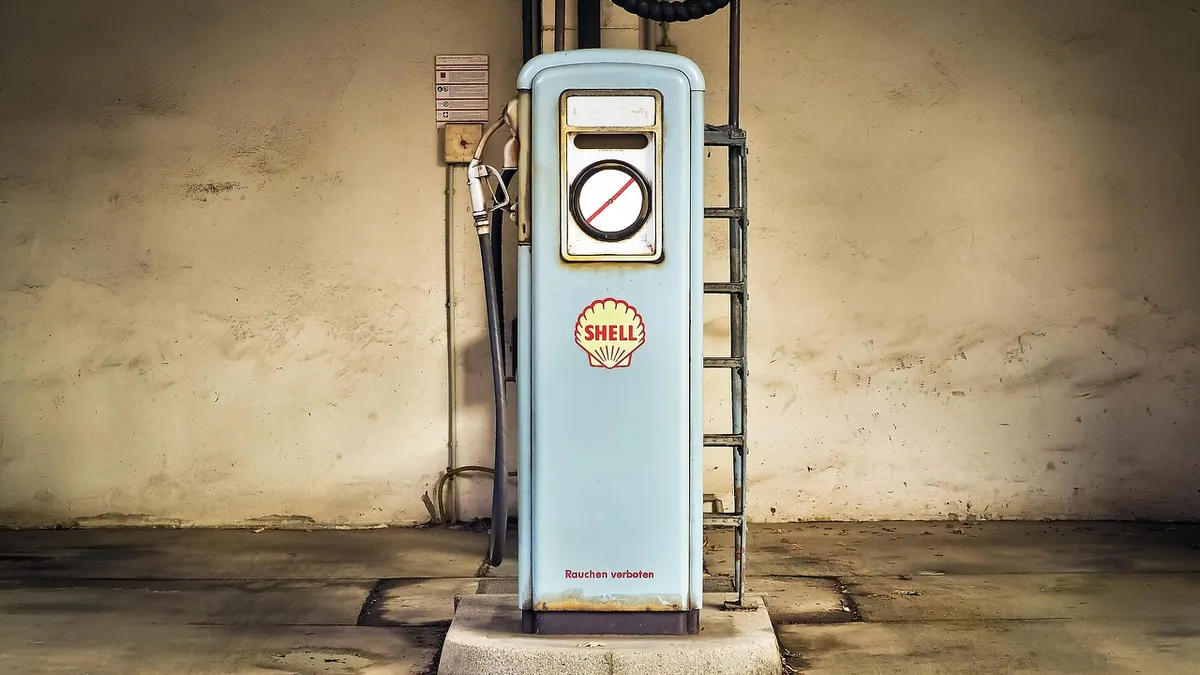
On 1 November 2026, diesel went up again at Moroccan filling stations. For a fleet manager, a litre is no longer just expensive. It no longer costs the same everywhere. Let us look at what that changes day to day, and how a GPS tracker helps you stay in control.
What happened on 1 November
According to Médias24, diesel rose by up to 1 MAD a litre on Sunday 1 November 2026. Unleaded super petrol fell by about 10 centimes. The newspaper gives an indicative average of 16.90 MAD for diesel.
Hespress speaks of diesel at 17 MAD a litre or more, and of concerns about purchasing power. According to the outlet, the announced increases range from 80 centimes to 1 MAD depending on the distributor.
A price gap that raises eyebrows
According to Œil d’Afrique, a gap of 59 centimes was recorded between two pumps for the same diesel. Hespress reports that a source at the national federation of filling station owners and managers described this “wide gap” as a cause for surprise.
Pump prices can therefore differ by brand and by city. For a fleet, that gap adds up fast. A truck filling up with 300 litres at 59 centimes more per litre pays 177 MAD more for a single fill. Multiply by the number of vehicles and fills in the month.
What this changes for a fleet manager
Fuel remains the biggest variable cost of a fleet. When the litre climbs, three subjects become urgent.
- Knowing where and when each vehicle fills up.
- Spotting abnormal consumption.
- Cutting unnecessary kilometres.
Without data, all of this is done by gut feeling. With a tracking tool, you look at the facts.
How GPS tracking helps control fuel
A GPS tracker does not lower the price of a litre. It helps you spend each litre better.
Live tracking shows where each vehicle is. You spot detours, long stops and trips that are not on the schedule.
The trip history lets you compare routes and drivers. You see which route uses the least fuel on the same job.
Alerts flag an engine running while stationary, excessive speed or a vehicle leaving its zone. These are three classic sources of overconsumption.
The fuel sensor, installed in the tank, tracks the level continuously. It helps check fills and spot a sudden drop that looks like siphoning. Our article on protecting fuel tanks against diesel theft goes into this point. To find out more, see our fuel security page.
Remote engine cut-off protects a vehicle that starts outside the planned hours. Its use should stay within your internal rules.
Good habits to adopt this week
A few simple steps, to put in place without waiting.
- Compare station prices on your usual routes and write them down.
- Set a reference consumption for each vehicle, then compare it every month.
- Look at the reports on engine idling and speed.
- Plan rounds so as to group deliveries.
- Tell your drivers what the system measures.
The last point matters. If you track vehicles driven by employees, the personal data law applies. We cover it in our article on employee geolocation and the CNDP (Morocco’s data protection authority). For any specific legal question, get in touch with the CNDP.
And for private owners?
The subject also affects private owners who drive diesel. A GPS tracker gives a trip history and helps spot unusual use of the vehicle, for example by a third party. It does not replace good insurance or everyday vigilance. It adds a layer of monitoring, useful when the vehicle represents a big budget.
Public aid that does not settle everything
The State has paid aid to road transport in recent months. We covered it in our article on road transport support and cost per kilometre. This aid is temporary. Knowing your real cost per kilometre protects you when it stops or the amount changes. For the amounts and conditions currently in force, check with the Ministry of Transport and Logistics.
Where to find help in Tangier and across Morocco
HTC Solutions is based in Tangier and installs its trackers all over Morocco. If you are looking for a GPS tracker in Tangier, we can advise you on the equipment suited to your fleet. You can also discover our tracking platform before getting in touch.
Want to equip your trucks? See the transport and logistics solution.